


















Digital business cards often start as an individual tool. A salesperson adopts one to speed up follow-ups. A recruiter uses one to avoid reprinting cards. A founder switches to keep information current.
But as more people inside a company begin using digital business cards independently, a new question emerges:
When does it make sense to standardize across the team?
This guide explains when companies should move from individual use to a standardized digital business card system, what problems standardization solves, and what to look for when making that transition.
The Individual Phase: When Digital Cards Are Still Optional
In the early stage, digital business cards are usually adopted organically.
This phase typically looks like:
-
A few team members using digital cards on their own
-
Different tools or formats across the company
-
Inconsistent branding and profiles
-
No central visibility or control
At this stage, digital business cards are helpful—but not yet strategic.
Standardization usually isn’t necessary when:
-
Only one or two people network externally
-
Contact details rarely change
-
Brand consistency isn’t critical
-
There’s no need for admin oversight
This phase works, but it doesn’t scale well.
The Tipping Point: Signs It’s Time to Standardize
Most companies reach a point where individual use starts creating friction. These are the clearest signals it’s time to standardize.
1. Multiple people represent your brand externally
If several employees interact with customers, partners, or candidates, inconsistent contact sharing becomes a brand issue.
Common symptoms:
-
Different card designs and layouts
-
Inconsistent messaging or titles
-
Outdated information circulating
Standardization ensures every interaction reflects the same level of professionalism.
2. Contact information changes frequently
When roles, phone numbers, territories, or links change, paper cards (and unmanaged digital profiles) quickly become outdated.
Without standardization:
-
Old contact details remain in circulation
-
Clients follow outdated links
-
Teams manually fix issues one by one
A centralized digital system allows updates to apply everywhere instantly.
3. Onboarding and offboarding are manual
As teams grow, manual processes don’t scale.
Warning signs:
-
New hires waiting weeks for cards
-
Managers creating profiles manually
-
Former employees’ contact info remaining active
Standardized digital business cards streamline onboarding and make offboarding safer and faster.
4. Brand consistency starts to matter
As companies mature, brand presentation becomes more important.
Standardization helps enforce:
-
Consistent logos and colors
-
Approved titles and descriptions
-
Clear calls to action
This matters most for:
-
Sales teams
-
Customer-facing roles
-
Events and conferences
-
Agencies and consultancies
5. You need visibility and control
At scale, companies often want answers to simple questions:
-
Who has a digital business card?
-
What information is being shared?
-
Can access be revoked instantly?
Individual tools rarely provide this level of oversight. Team-based platforms are designed for it.
What Standardization Actually Solves
Standardizing digital business cards isn’t about control for its own sake. It solves real operational problems.
Reduces brand inconsistency
Everyone shares information in the same format, with the same visual standards.
Simplifies updates
Changes happen once and apply everywhere—no reprints, no manual outreach.
Improves security
Access can be managed centrally, reducing the risk of outdated or unauthorized profiles.
Makes scaling easier
New hires get set up quickly without custom workflows.
Creates a better recipient experience
Clients and partners know what to expect when they receive your information.
Solo vs Team Needs: What Changes at Scale
Individual use prioritizes:
-
Ease of setup
-
Flexibility
-
Personal customization
Team use prioritizes:
-
Consistency
-
Admin control
-
Security
-
Scalability
The right solution for a team looks different from the right solution for an individual.
What to Look for in a Team Digital Business Card Platform
If you’re considering standardization, these features matter most.
Centralized management
-
Admin dashboard
-
Role-based permissions
-
Visibility into active profiles
Consistent branding
-
Shared templates
-
Controlled fields (titles, descriptions)
-
Optional customization within guidelines
Easy onboarding and offboarding
-
Quick profile creation
-
Deactivation or reassignment when someone leaves
Flexible sharing methods
-
Support for NFC, QR codes, and links
-
One profile that works everywhere
Simple updates
-
Changes apply instantly
-
No need to redistribute cards or links
Physical Cards Still Matter at Team Scale
Even with software standardization, many teams benefit from physical sharing options.
Physical NFC cards or wearables:
-
Speed up in-person interactions
-
Reduce reliance on phones
-
Work well at events and conferences
The most flexible setups combine:
-
A standardized digital profile
-
Physical NFC devices for daily use
-
QR codes and links as fallback options
Common Questions
Do teams have to use physical cards?
No. Some teams use software-only profiles. Physical options are helpful for in-person roles but not mandatory.
Can individuals still customize their profiles?
Most team platforms allow limited personalization within brand guidelines, such as photos or secondary links.
How does dot.cards support teams?
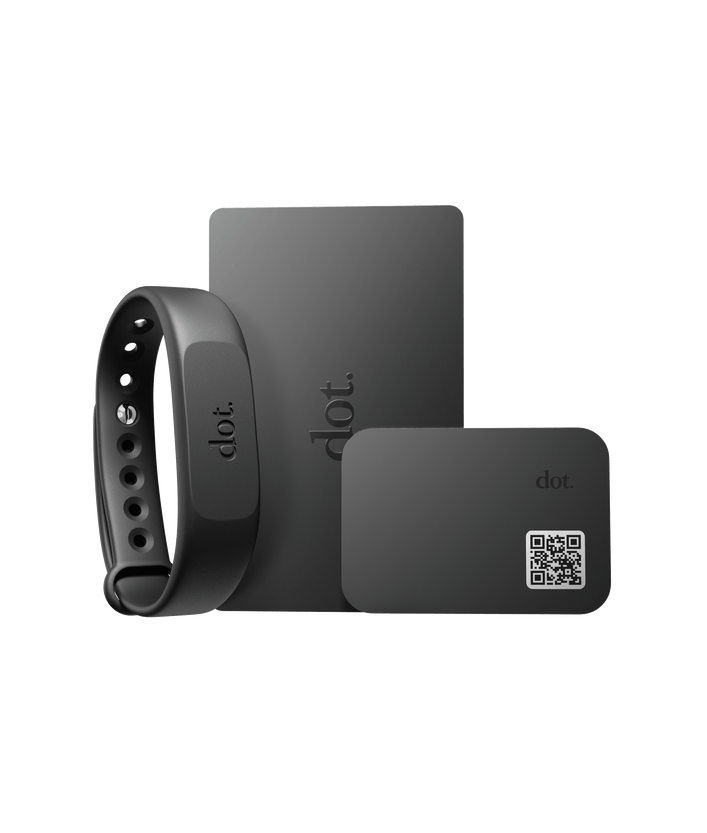
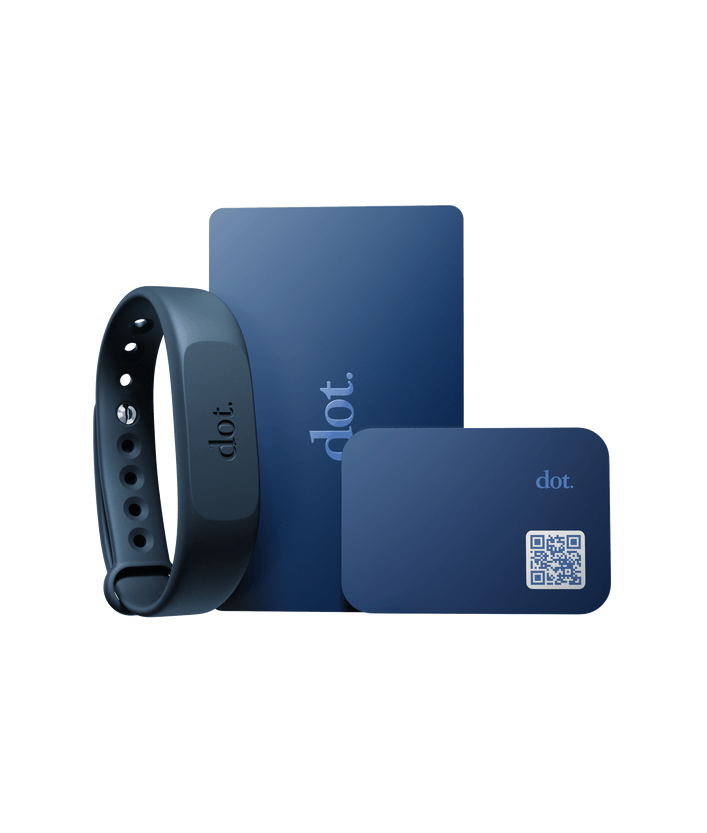
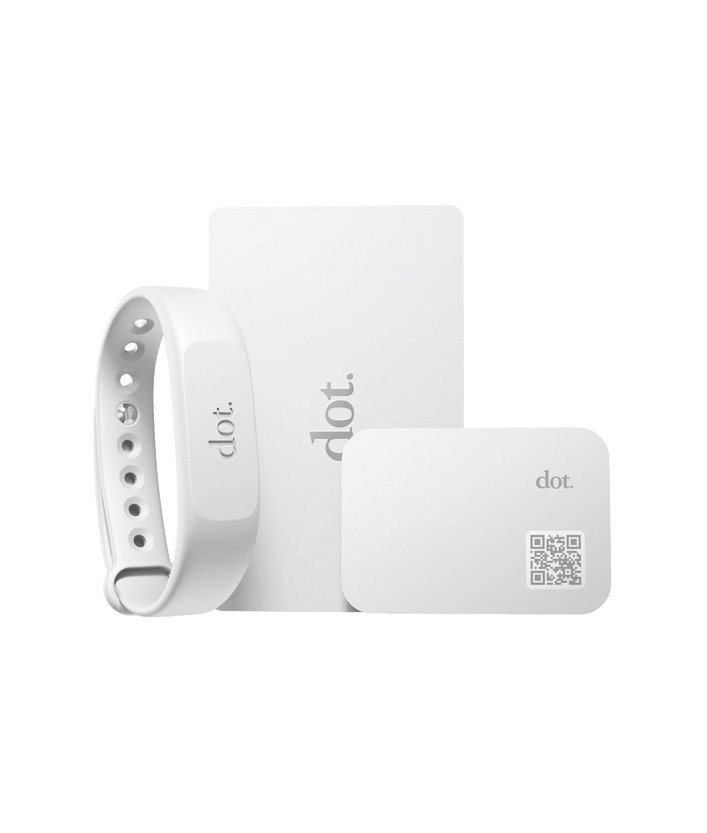
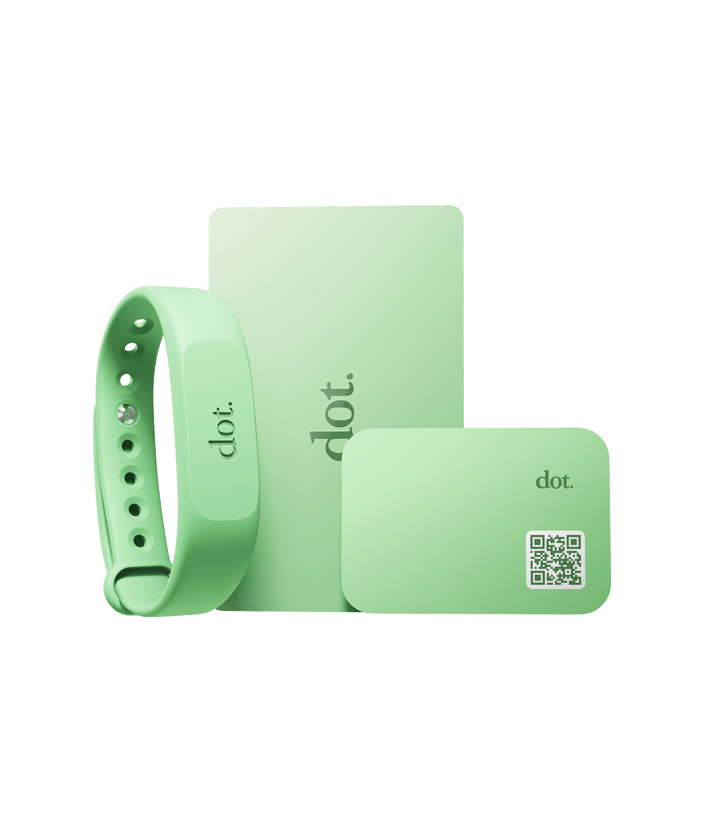
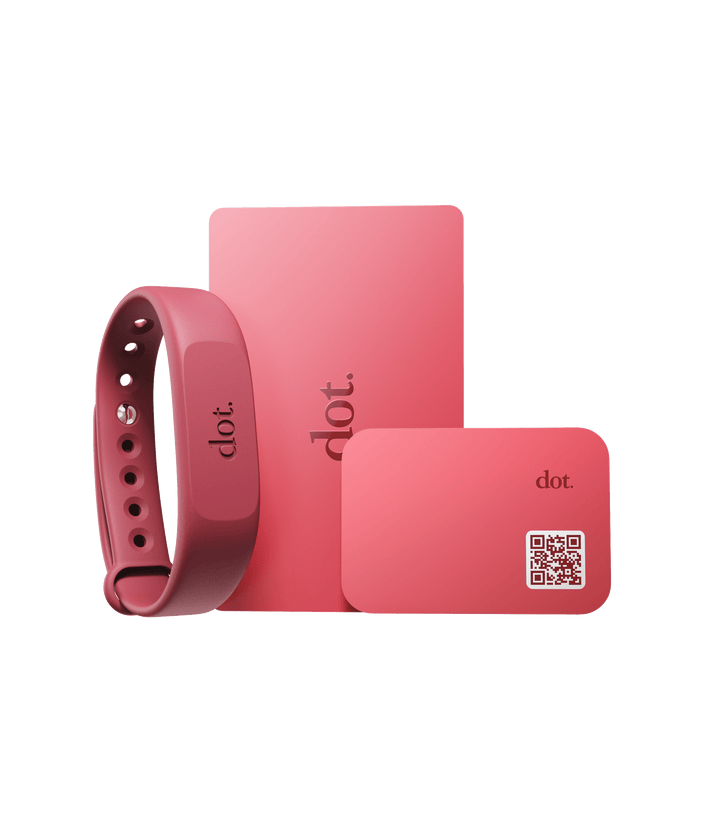
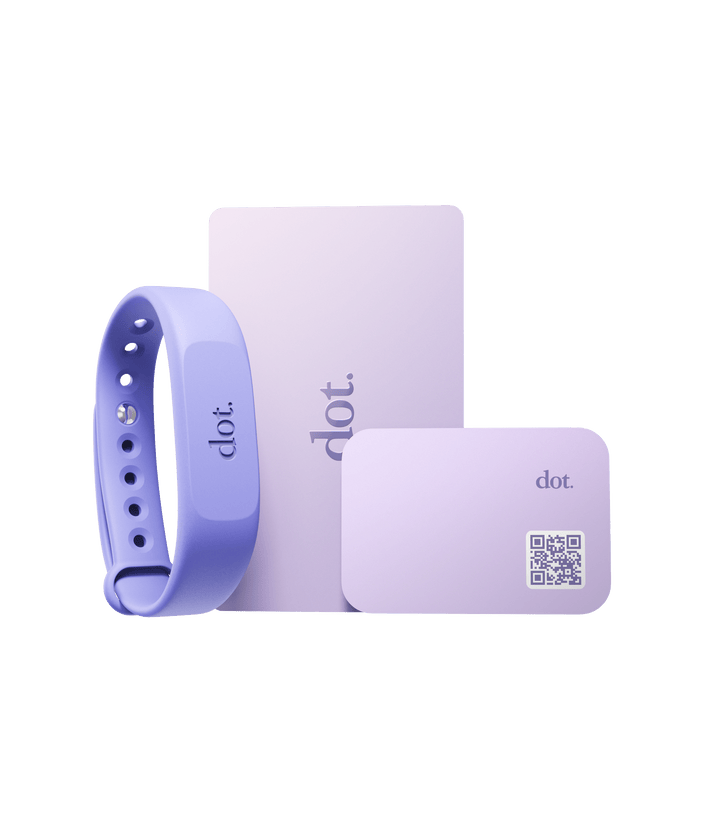
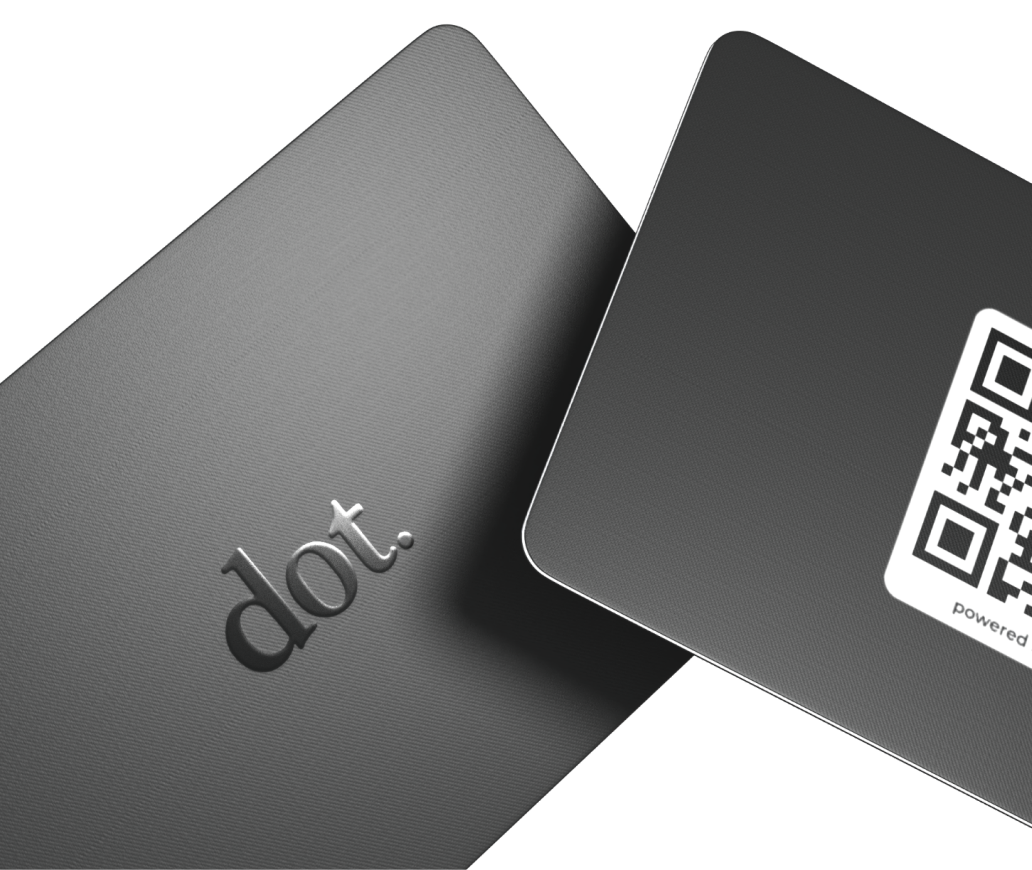
dot.cards offers both physical NFC devices and a software-based digital profile, along with team management features that allow companies to standardize branding, manage users, and update information across the organization from a central dashboard.
Is standardization worth it for small teams?
Often, yes. Even teams of 5–10 people benefit from consistent branding, easier updates, and simpler onboarding.
A Simple Decision Framework
Standardizing digital business cards makes sense when:
-
More than one person represents your brand externally
-
Information changes more than once or twice a year
-
Brand consistency matters
-
You want easier onboarding and offboarding
-
You need visibility or control at the team level
If several of these apply, standardization isn’t overkill—it’s operational hygiene.