








Creators meet people everywhere—events, collaborations, brand meetings, pop-ups, casual introductions, even online conversations that move offline. In those moments, the challenge isn’t explaining what you do. It’s making it easy for someone to find you again.
Digital business cards solve that problem by turning brief interactions into clear next steps: follow, subscribe, book, or reach out.
This guide explains how digital business cards work for creators, what to include, and how to choose the right setup without overcomplicating your workflow.
Why Creators Need a Different Kind of Business Card
Traditional paper business cards were designed for static roles and single contact points. Creator work is different.
Creators often need to share:
-
Multiple platforms (Instagram, TikTok, YouTube, Twitch, etc.)
-
A portfolio or media kit
-
A booking or inquiry link
-
A way to follow, not just save contact info
A digital business card allows you to present one profile that adapts to those needs and stays current as your work evolves.
How Digital Business Cards Work for Creators
A digital business card for creators typically consists of:
-
A digital profile that houses your links and contact details
-
One or more sharing methods (tap, QR code, or link)
When you meet someone:
-
You share your profile instantly.
-
They open it on their phone.
-
They choose what to do next—follow, subscribe, book, or contact you.
That single interaction replaces:
-
“I’ll look you up later”
-
Misspelled usernames
-
Forgotten handles
-
Lost paper cards
What Makes a Digital Business Card Effective for Creators
Not all digital business cards are equally useful for creator workflows. The best ones focus on conversion, not clutter.
Clear primary action
Your profile should make it obvious what the person should do next:
-
Follow on your main platform
-
Visit your portfolio
-
Book a collaboration call
-
Send an inquiry
Avoid trying to push every platform equally. One or two clear actions usually perform better than a long list.
Easy sharing in real life
Creators often meet people in fast, informal settings. The best options support:
-
NFC tap for quick in-person sharing
-
QR codes for events, pop-ups, or signage
-
A shareable link for follow-ups
The goal is to adapt to the moment without friction.
Mobile-first profile design
Most people will open your profile on their phone, often seconds after meeting you. A strong creator profile:
-
Loads quickly
-
Is easy to scroll
-
Has readable buttons and links
-
Doesn’t require an app download
What Creators Should Include on a Digital Business Card
A digital business card works best when it’s intentional. Include what helps people understand you and act—nothing more.
Core information
-
Name or creator name
-
Short descriptor (what you create or who you work with)
-
Primary platform or website
High-impact links
Choose based on your goals:
-
Social platform you want to grow
-
Portfolio or highlight reel
-
Media kit
-
Booking or inquiry form
Optional additions
-
Email for brand inquiries
-
Secondary platforms (only if relevant)
-
Location (for local creators or events)
Tip: If everything is a priority, nothing is. One clear path usually converts better than many.
Digital vs Paper Cards for Creators
Paper cards can still have a place, but they’re limited for creator use.
Where digital business cards perform better
-
Multiple links instead of one handle
-
Instant access to content
-
Easy updates when platforms or focus change
-
No need to remember usernames
-
Better follow-up rates
Where paper cards may still work
-
As a physical leave-behind at pop-ups or shops
-
In environments where phones aren’t used
Many creators use a hybrid approach: digital for most interactions, paper for specific contexts.
Physical vs Software-Only Digital Cards for Creators
Creators can use digital business cards in different formats.
Software-only profiles
Best for:
-
Online networking
-
Social-first creators
-
Occasional in-person sharing
Pros:
-
No physical device required
-
Easy to share via link
Cons:
-
Slower for spontaneous in-person moments
Physical NFC cards or wearables
Best for:
-
Events, meetups, conventions
-
Collaborations and brand meetings
Pros:
-
Fast, natural sharing
-
Memorable interaction
Cons:
-
Works best with QR or link as a backup
Practical takeaway:
Creators who meet people in person often benefit from NFC + QR + link sharing, so they’re never limited by context.
How Digital Business Cards Help Turn Interactions Into Followers
The real value for creators isn’t the card—it’s the follow-up.
Digital business cards help by:
-
Reducing friction between meeting and following
-
Making it easy to act immediately
-
Presenting your work in context
-
Eliminating the “I’ll find you later” gap
When someone follows you on the spot, the interaction doesn’t fade. It continues.
Common Questions
Do people need an app to view a creator’s digital business card?
In most cases, no. Many digital business cards open a web-based profile that works in any browser.
Can I use a digital business card without a physical card?
Yes. A profile and shareable link can work on their own, especially for online or remote networking.
Does dot.cards work for creators?
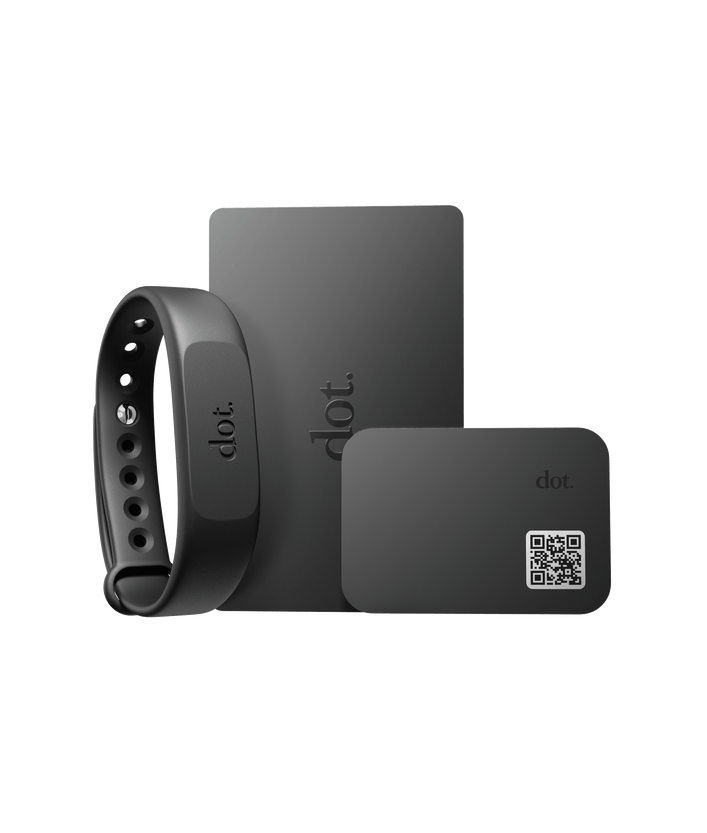
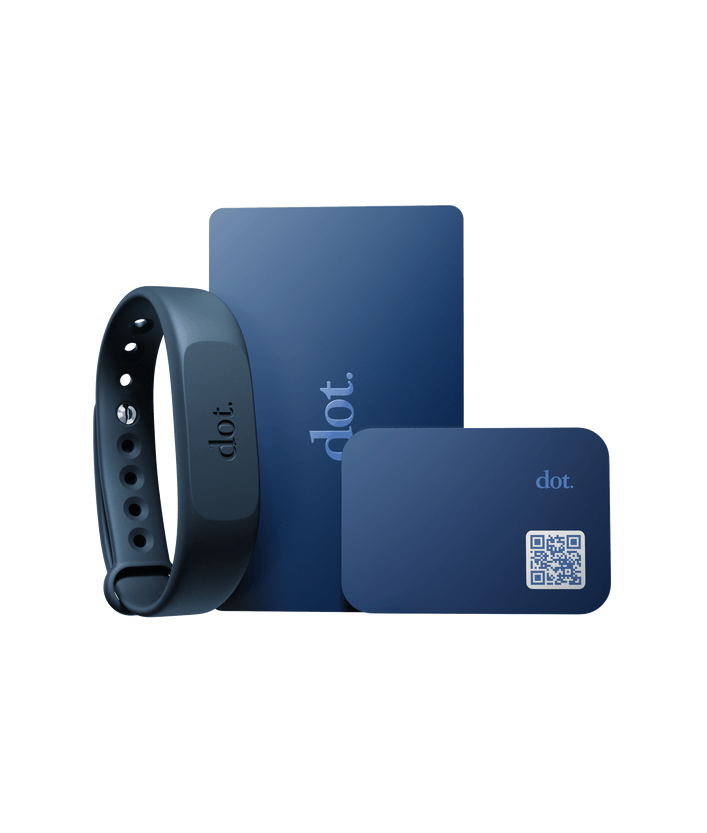
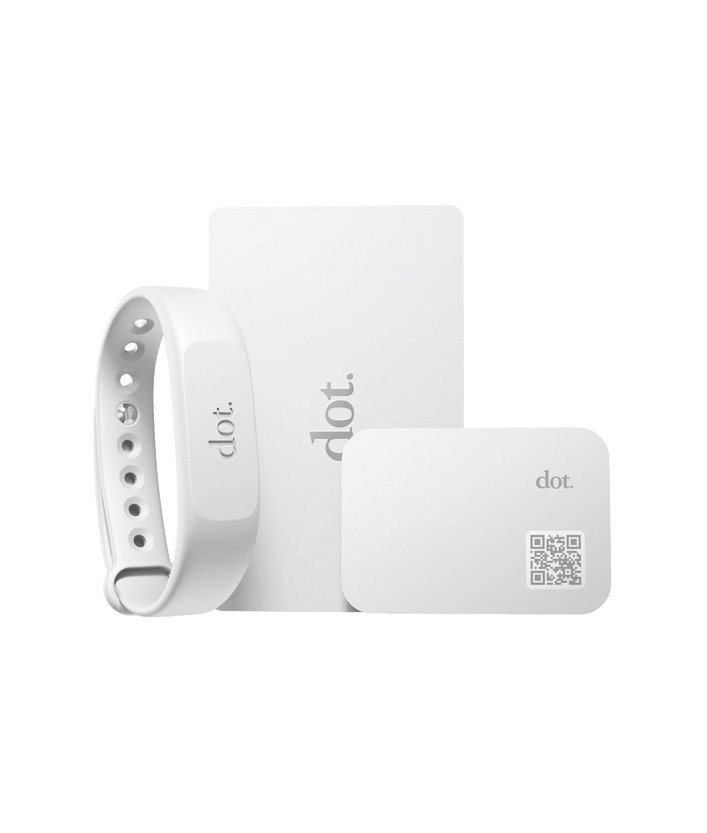
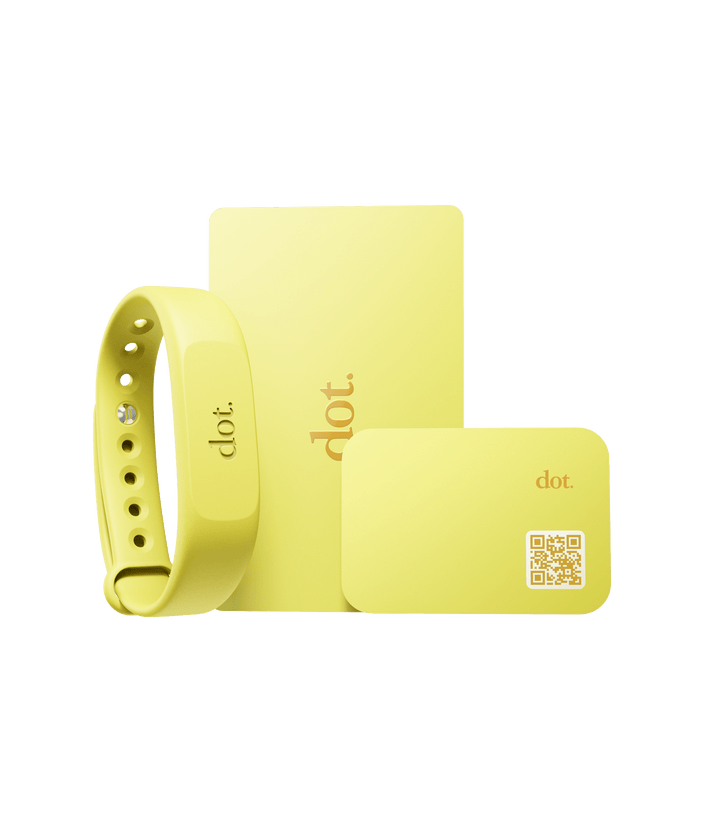
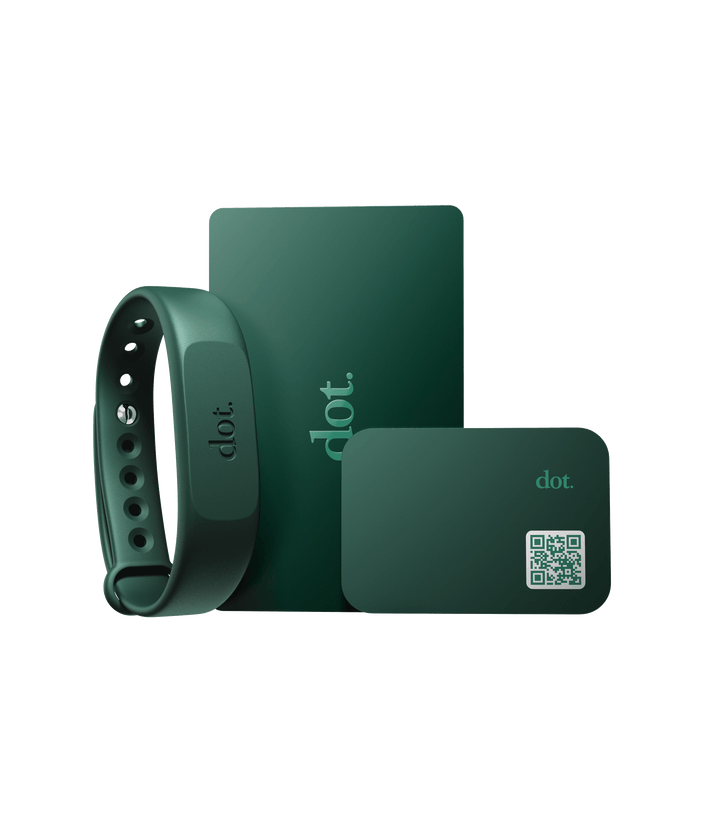
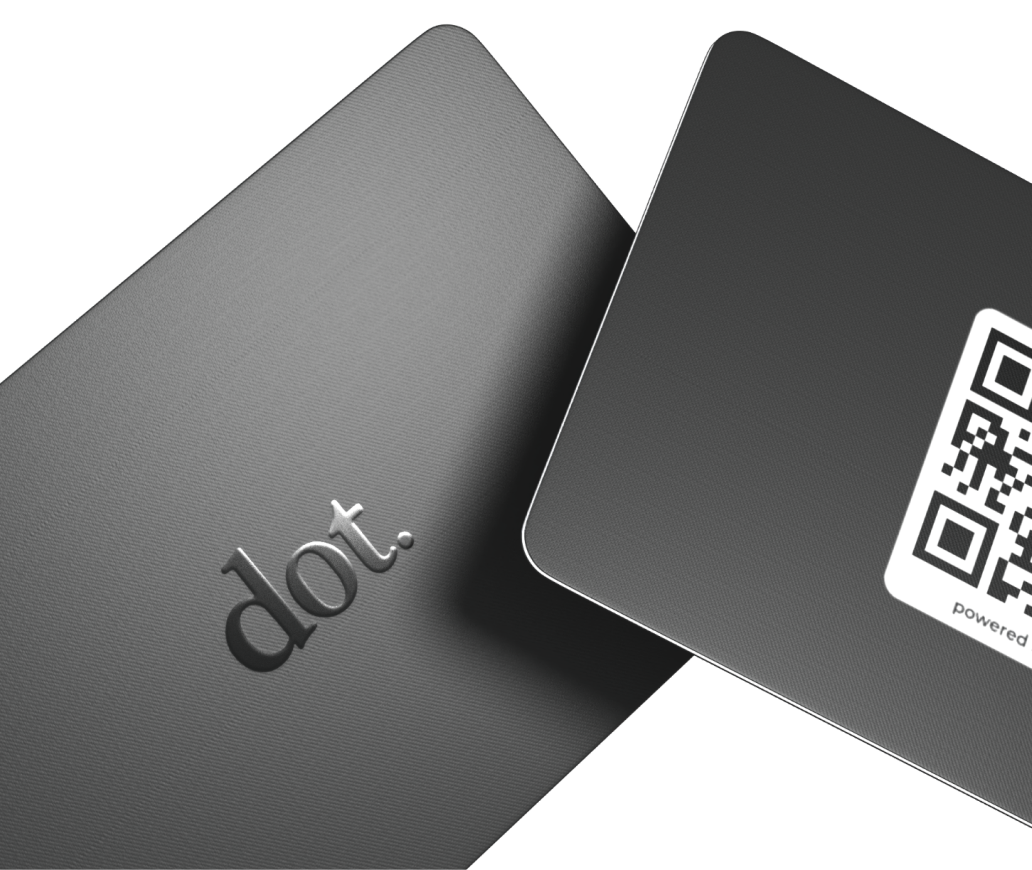
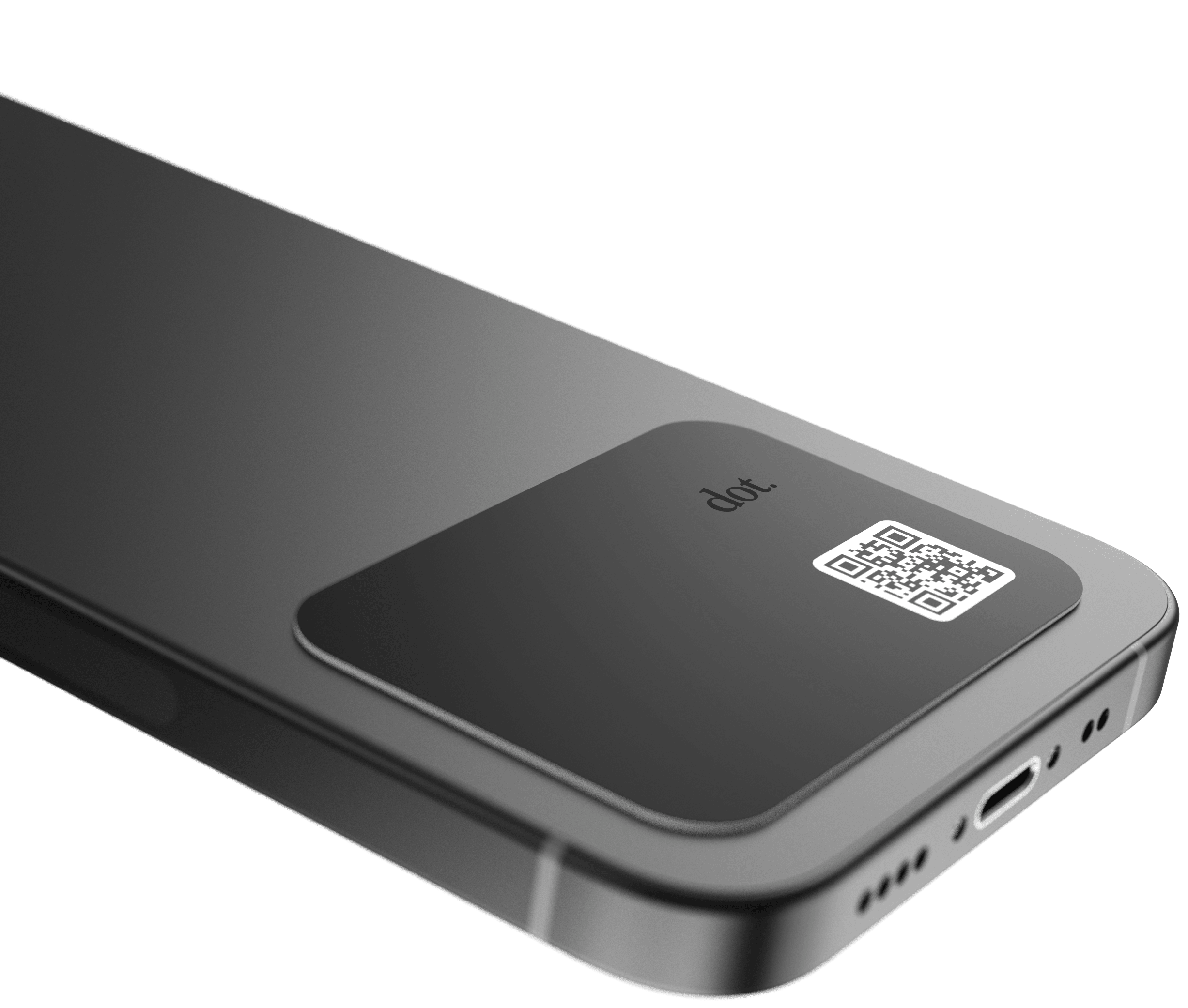
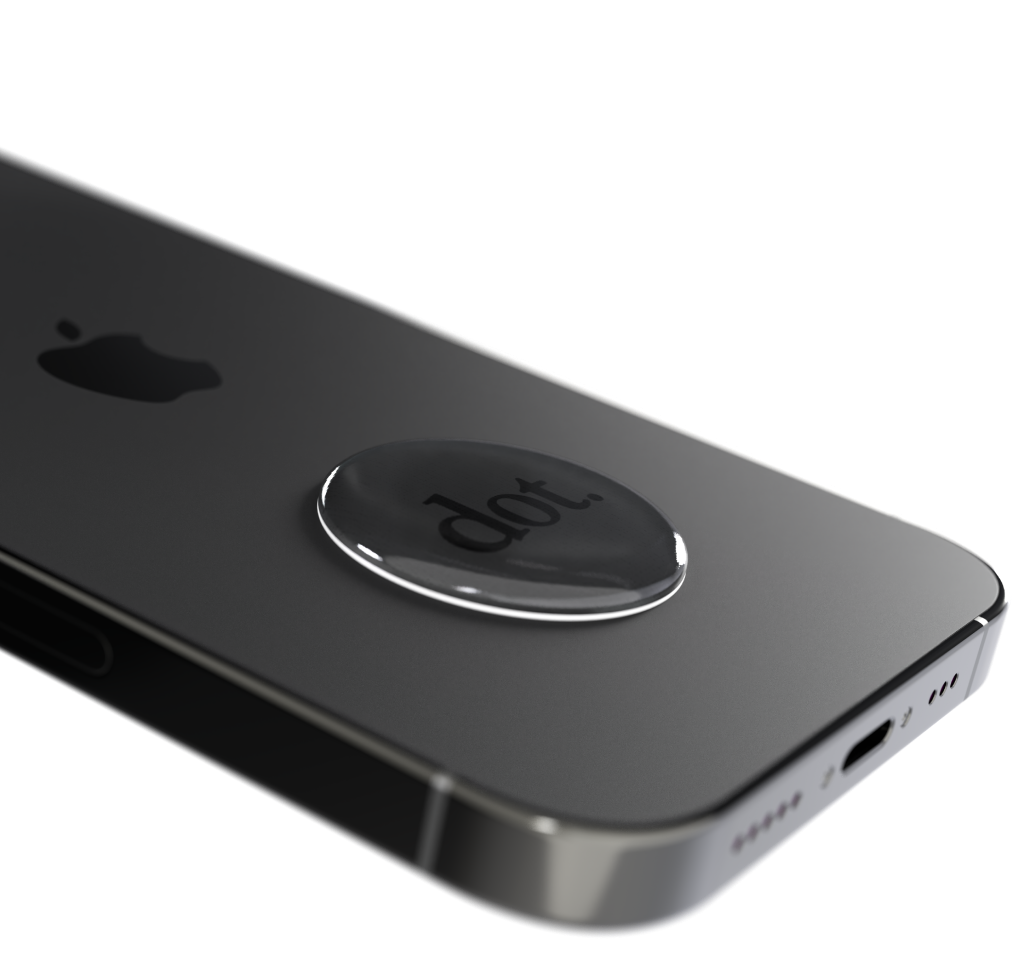
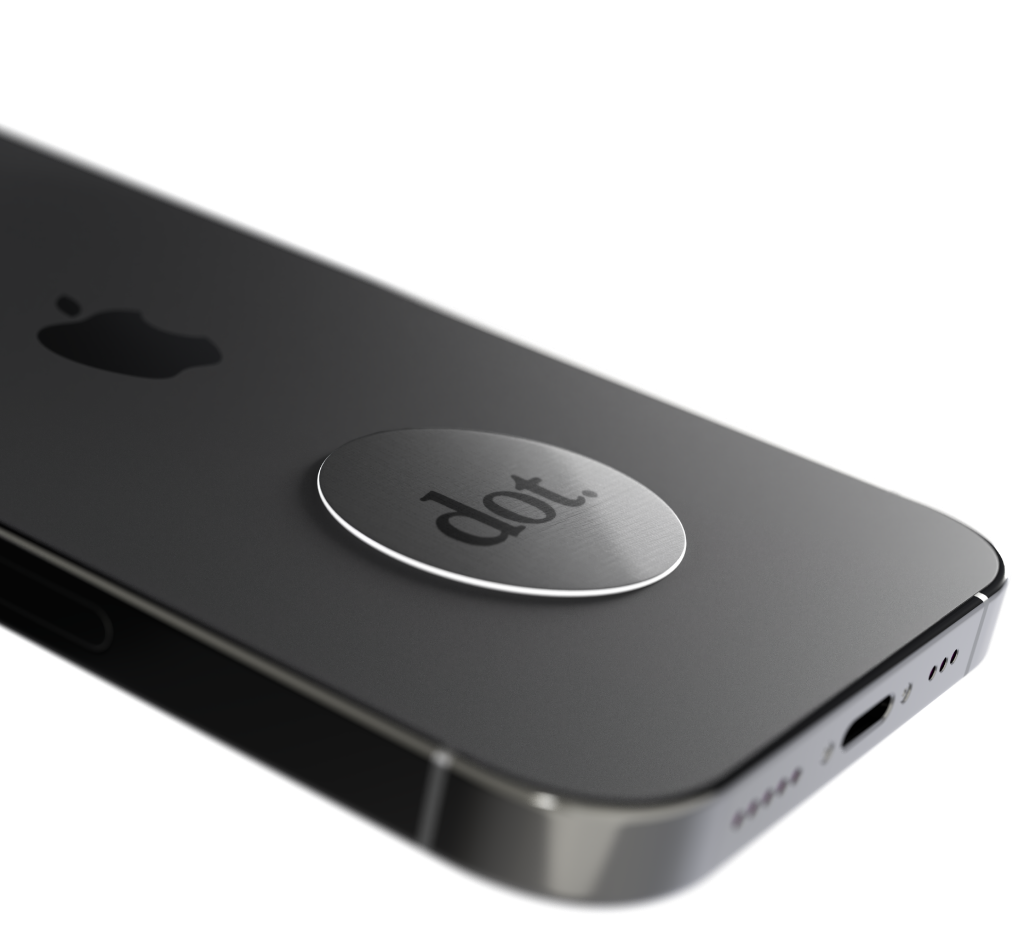
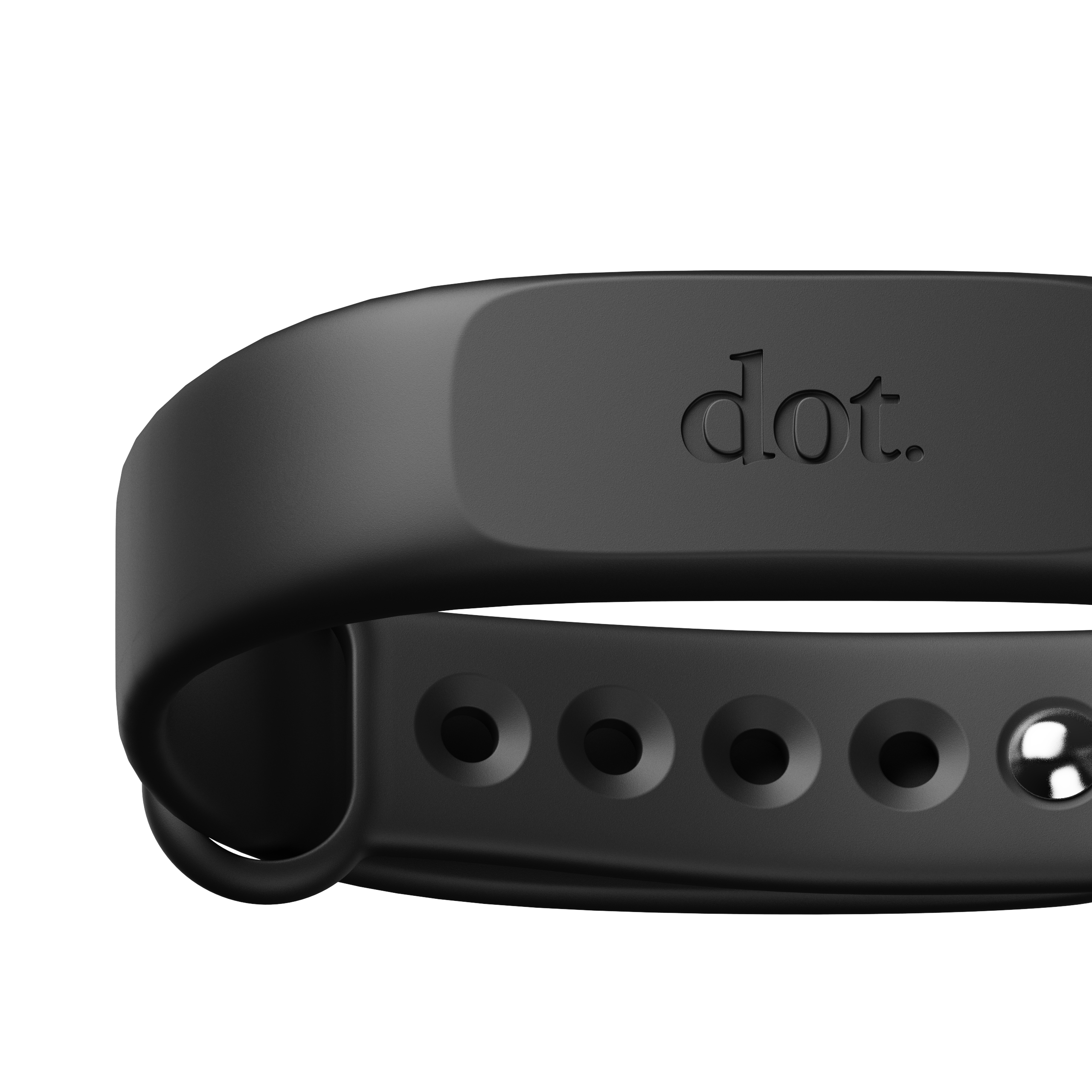
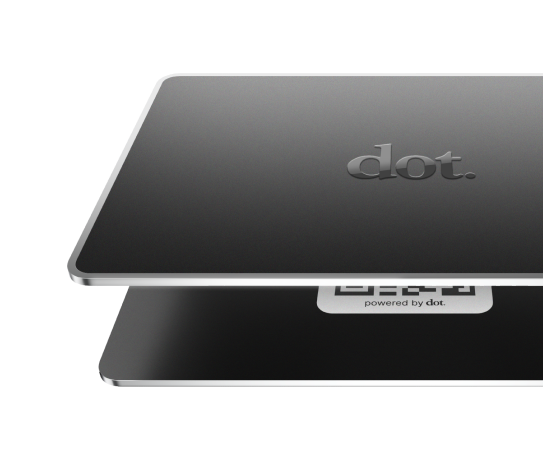
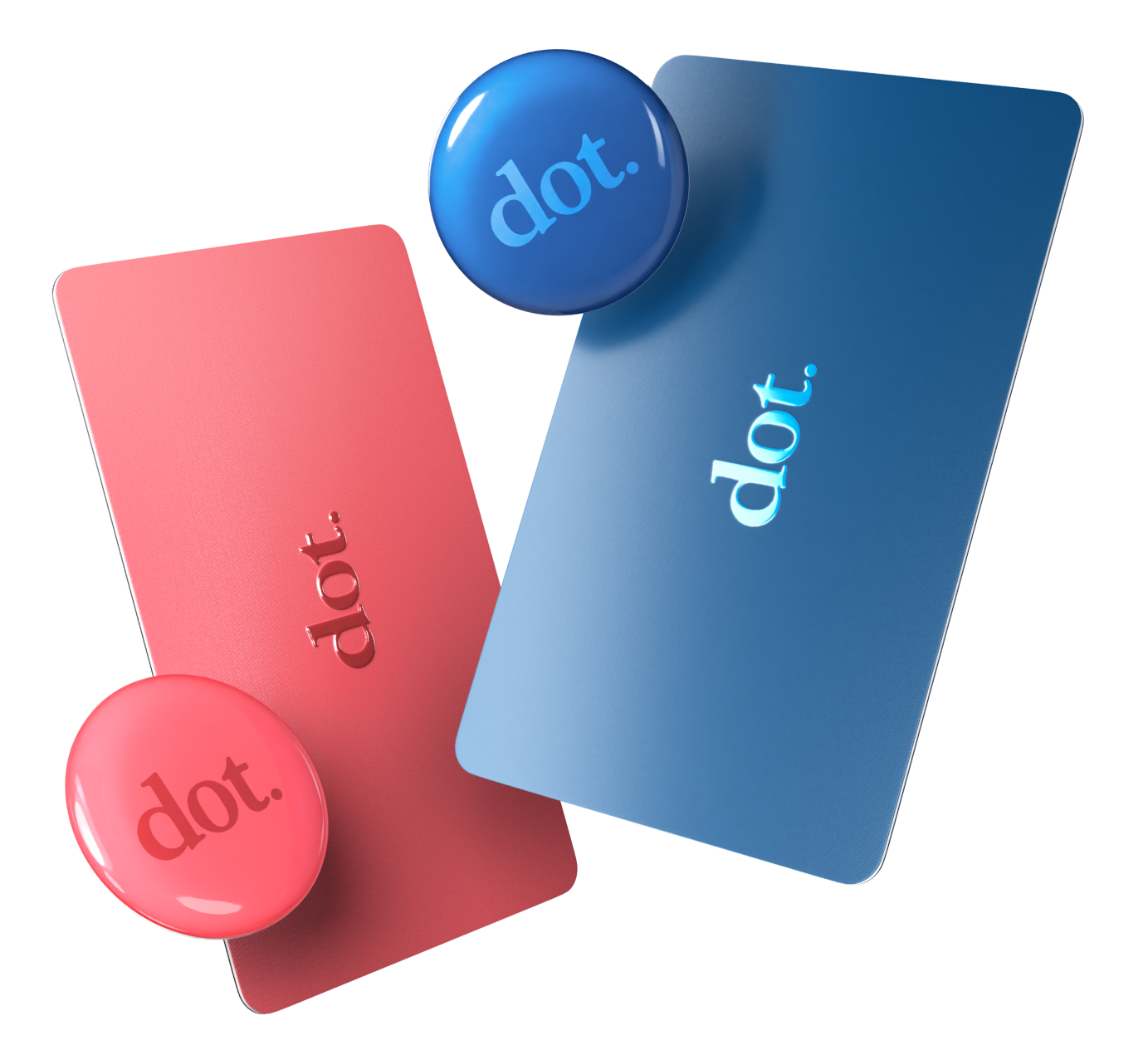
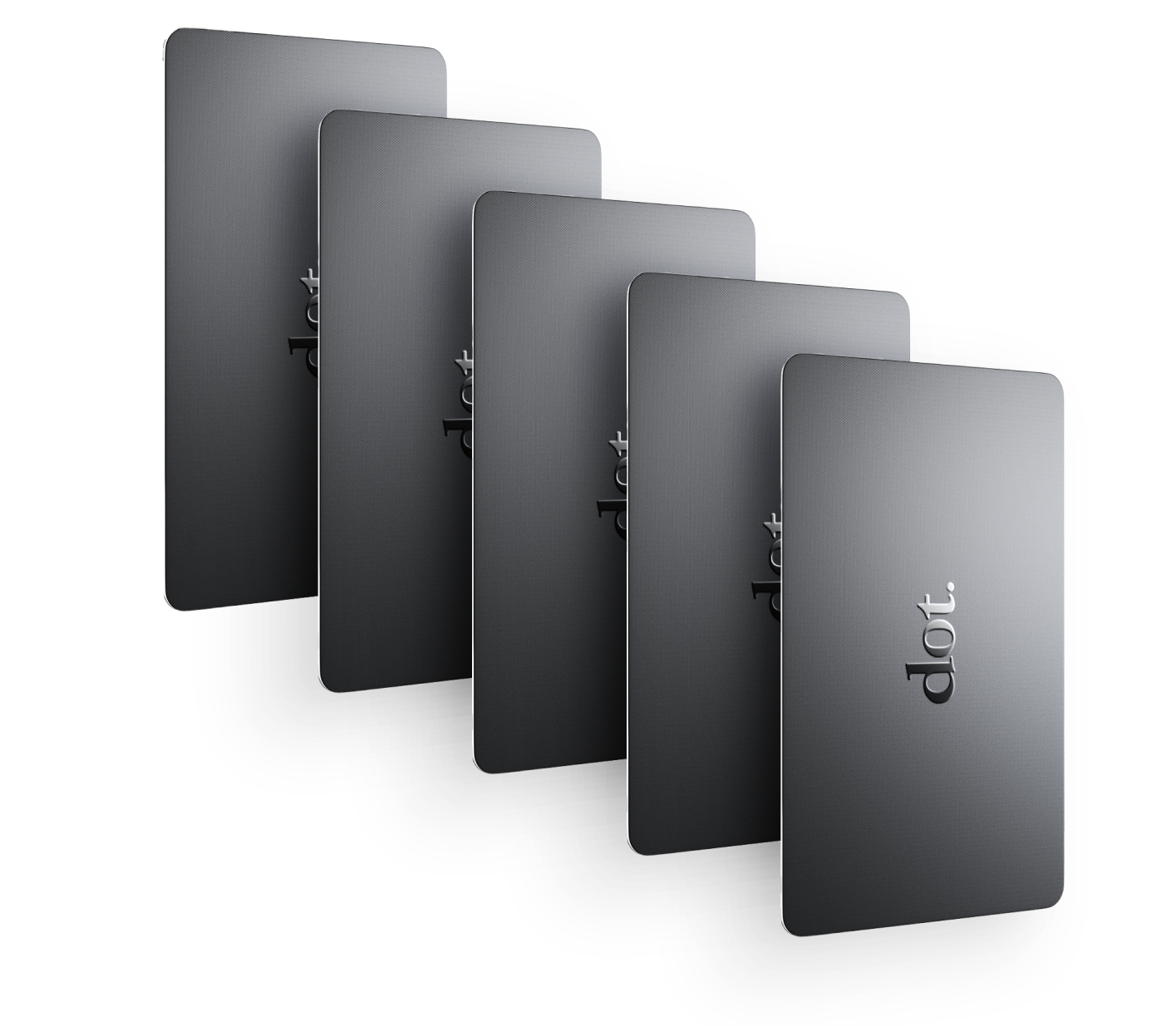
Yes. dot.cards supports both physical NFC devices and a software-based digital profile. Creators can share the same profile via tap, QR code, or link, depending on the situation, and update links anytime without reprinting.
Can I change my links later?
That depends on the platform, but many digital business cards allow updates at any time so your profile stays current as your content evolves.
A Simple Way to Decide if It’s Right for You
A digital business card is a strong fit if:
-
You meet people who want to follow or collaborate
-
You manage multiple platforms or links
-
You want interactions to turn into action immediately
-
Your work or focus changes over time
If that sounds like your workflow, a digital business card becomes less about replacing paper—and more about extending your presence beyond the moment.